
Architecture | Interior | Planning

Architectural BIM Modeling Services for Smart & Accurate Construction
Data driven building models that improve coordination, accuracy, and project efficiency.
Architectural BIM Modeling
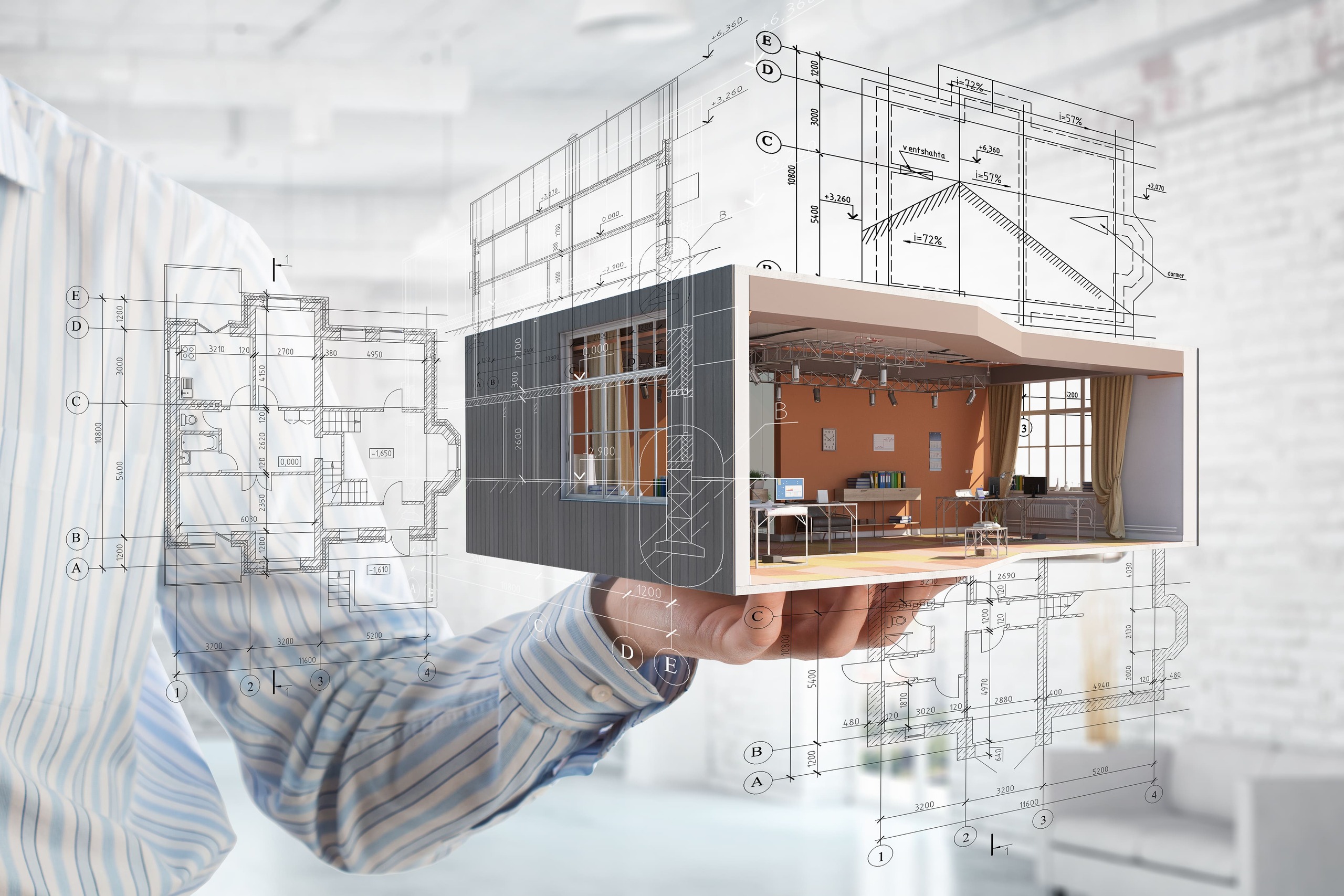
Architectural BIM Modeling is transforming the way buildings are designed, planned, and constructed. By creating intelligent 3D models that include geometry, data, and technical information, BIM allows architects, engineers, and contractors to collaborate more effectively throughout the project lifecycle. Our architectural BIM modeling services help eliminate clashes, reduce errors, and ensure seamless coordination from concept to construction.
Below are the six core elements that define our BIM modeling approach.

BIM-Based Architectural Design Development
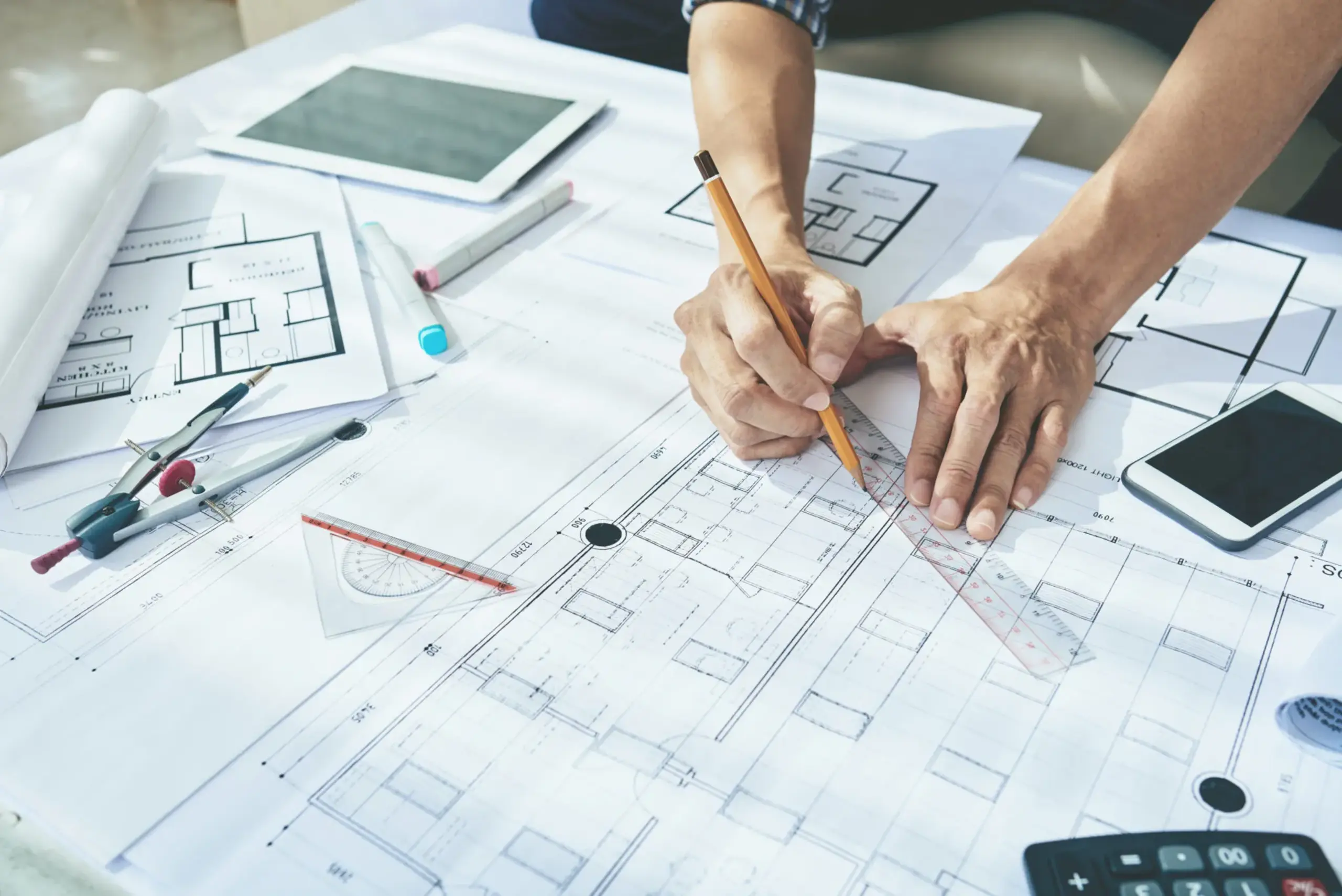
Our process begins by converting architectural concepts and 2D drawings into intelligent BIM models. These models act as a single source of truth, containing both visual and technical data required for accurate planning and execution.
This stage includes:
BIM model creation from CAD drawings or sketches
Architectural elements such as walls, floors, roofs, doors, and windows
Parametric modeling for flexible design changes
Design validation and accuracy checks
Alignment with project scope and standards
This ensures design clarity and consistency across all project stages.
A well-prepared plan helps you:
- Avoid costly delays and revisions
- Secure permits faster
- Manage project budgets effectively
- Align stakeholders on one clear vision
Without the right planning, even the most ambitious projects can face setbacks. That’s why working with experienced professionals ensures smoother execution and stronger results.
Our Architectural BIM Modeling Services
Our BIM services are tailored to meet the needs of residential, commercial, and mixed-use projects while supporting modern construction workflows.
Our architectural BIM modeling services include:
Concept to construction BIM modeling
BIM conversion from 2D CAD drawings
Clash-free architectural coordination models
As-built BIM models for existing structures
Renovation and retrofit BIM modeling
BIM models aligned with international standards
These services ensure improved collaboration, reduced rework, and better project outcomes.
Detailed 3D BIM Modeling & Documentation
We develop highly detailed architectural BIM models that support construction-level accuracy. These models provide precise information needed by contractors, consultants, and project managers.
Our BIM documentation covers:
Level of Detail (LOD) as per project requirements
Architectural sections, elevations, and layouts
Material specifications and component data
Quantity takeoffs and model-based schedules
Construction-ready architectural drawings
This minimizes misinterpretation and improves on-site efficiency.
Industries We Serve
Commercial Architecture
From office spaces and retail stores to mixed-use developments, we design functional and modern environments that enhance productivity and customer experience.
Residential Projects
We bring expertise to custom homes, apartments, and multi-family housing with layouts that balance beauty, comfort, and efficiency.
Institutional Design
Our team develops schools, hospitals, and public facilities that prioritize usability, compliance, and long-term functionality.
Industrial Planning
For warehouses, factories, and logistics facilities, we focus on efficiency, safety, and scalable design solutions.
Why Choose MK
Choosing the right BIM partner is essential for project accuracy and long-term efficiency. MK provides reliable architectural BIM modeling solutions that combine technical expertise with practical construction understanding.
Clients choose MK because we offer:
High-accuracy BIM models with attention to detail
Compliance with international BIM standards
Seamless coordination with consultants and contractors
Clear communication and timely delivery
Scalable BIM solutions for projects of all sizes
Our focus is on delivering BIM models that are not only visually accurate but also construction-ready.
BIM Deliverables & Construction Support
We provide complete BIM deliverables that support smooth construction execution and future facility management.
Our deliverables include:
Fully coordinated architectural BIM models
Construction drawings generated from BIM
Quantity schedules and model data
As-built BIM models after construction
Ongoing BIM support during construction (optional)
These deliverables ensure better control, transparency, and efficiency throughout the building lifecycle.
FAQs
What is architectural BIM modeling?
Architectural BIM modeling is the process of creating intelligent 3D building models that include design, spatial, and technical data. These models improve accuracy, coordination, and collaboration throughout the construction process.
How is BIM different from traditional 3D modeling?
Unlike traditional 3D modeling, BIM includes data-rich components such as materials, dimensions, quantities, and specifications. This allows better coordination, clash detection, and construction planning.
What types of projects benefit from architectural BIM modeling?
BIM modeling is suitable for residential, commercial, industrial, and mixed-use projects. It is especially valuable for large, complex buildings and renovation projects requiring high accuracy and coordination.
Can BIM models be used for construction and approvals?
Yes. BIM models can generate accurate construction drawings, schedules, and documentation that support building approvals and on-site execution, reducing errors and delays.
What level of detail (LOD) do you provide in BIM models?
BIM models can be developed from LOD 100 to LOD 400 or higher, depending on project requirements. The level of detail is customized to support design development, coordination, or construction needs.

- +1 201 850 2968
- info@mkarchitec.com
- 5 Chittenden RD, Clifton NJ 07013
- Home
- About Us
- Services
- Portfolio
- Contact Us
- Copyright 2024 MK Architecture, LLC. NJ Rights Reserved.