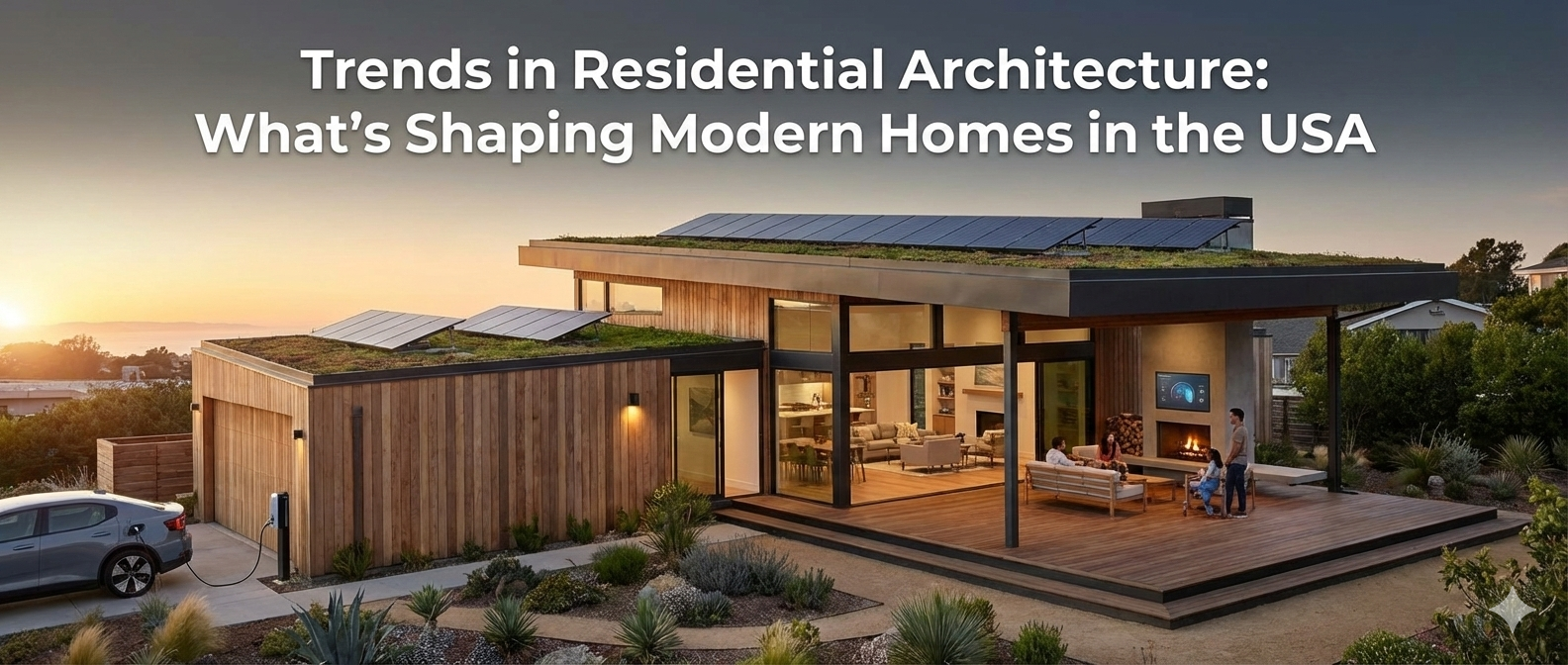
Residential architecture is rapidly evolving in the United States. Homeowners, developers, and designers alike are embracing new ideas that reflect changing lifestyles, technological advancements, climate priorities, and sustainability goals. Understanding the latest trends in residential architecture not only informs better design decisions but also ensures that homes of the future are efficient, adaptable, and valuable.
Professional architectural services help translate these trends into practical design solutions, while specialized Residential Architectural Planning Services ensure that emerging preferences align with long-term planning, regulatory compliance, and lifestyle needs.
Why Residential Architecture Trends Matter
Today’s homebuyers and residents expect more than just square footage and curb appeal. They seek homes that integrate sustainability, technology, flexibility, and well-being, while also increasing long-term value.
Here are the key statistics revealing how residential design preferences are shifting:
Key Housing Market Stats (USA)
| Trend Category | Percentage / Growth | Source |
| Homes with smart tech | ~75% of new U.S. homes | (ZipDo) |
| Listings with eco-friendly design features | +290% | (probuilder.com) |
| Biophilic/indoor-outdoor design growth | +163% | (probuilder.com) |
| Smart tech adoption in homes | 80% of U.S. households | (New York Post) |
| Green home projects meeting strict criteria | 22% of builders | (mecktimes.com) |
These figures underscore how sustainability and smart home integration have become core expectations, rather than optional upgrades, in contemporary residential design.
Sustainability: The New Standard in Home Design
One of the most significant drivers of current residential architecture is sustainability. U.S. homebuyers increasingly prioritize energy efficiency, reduced environmental impact, and resilience to climate challenges.
Why sustainability matters:
- Listings with eco-friendly features (like water-saving fixtures and green materials) grew nearly 290% year-over-year. (probuilder.com)
- Green building projects now represent a substantial portion of new construction, with 22% of builders reporting that most of their 2023 projects met strict green criteria. (mecktimes.com)
Key sustainable design features gaining traction:
- Solar-ready roofs
- Net-zero energy capabilities
- High-efficiency HVAC systems
- Water-conserving fixtures
- Recycled and low-VOC materials
Incorporating these features often begins at the earliest stages of development through Residential Architectural Planning Services, ensuring that sustainability is part of the home’s DNA, not an afterthought.
The Rise of Smart Homes and Technology Integration
Technology in residential architecture is no longer a luxury—it’s mainstream.
A recent survey found that over 80% of American homes now include some form of smart technology such as smart speakers, security systems, or connected appliances. (New York Post)
Smart home trends include:
- Smart lighting and climate control
- AI-enabled security systems
- Voice and app-controlled home features
- Integrated energy management systems
Smart features not only enhance convenience and comfort but also improve energy efficiency. In many cases, homes with smart technologies command higher market value and appeal, especially among tech-savvy buyers.
Through comprehensive architectural services, smart technology is integrated seamlessly into home design, ensuring both functionality and aesthetic appeal.
Flexible & Functional Layouts
Modern lifestyles require flexibility. Remote work, multi-generational living, and hybrid family dynamics demand versatile spaces.
Emerging spatial preferences include:
- Multi-use rooms that double as offices or fitness areas
- Open floor plans maximizing interaction and natural light
- Modular and adaptable interiors that evolve with needs
These trends are supported by data showing a growing preference for multifunctional spaces and layouts that reflect personal lifestyle changes. Strategic planning from the outset—especially with Residential Architectural Planning Services—makes these homes efficient and future-ready.
Biophilic & Indoor-Outdoor Design
Biophilic design connecting indoor spaces with nature—is one of the fastest-growing trends in 2025:
- Listings highlighting indoor-outdoor connections increased 163% year-over-year. (probuilder.com)
Features such as large glass doors, living walls, and patios create a stronger visual and psychological link between interior and exterior environments. This approach enhances natural light, improves well-being, and deepens the sense of comfort associated with modern residential architecture.
Table: Top Residential Architecture Trends
| Trend | Why It Matters | Design Impact |
| Eco-Designed Homes | Energy cost savings, resale value | Green materials, insulation, solar readiness |
| Smart Home Integration | Convenience + efficiency | App control, AI systems, networking infrastructure |
| Multi-Purpose Spaces | Flexibility for lifestyle changes | Home offices, play areas, adaptable rooms |
| Biophilic Design | Well-being + connection to nature | Indoor gardens, natural light, outdoor transitions |
| Resilient & Climate-Ready Features | Prep for extreme weather | Fire-resistant materials, reinforced foundations |
Homebuyer Preferences Driving Architectural Decisions
Recent real estate data highlights evolving consumer priorities:
- WaterSense fixtures—which reduce water waste—appeared in descriptions nearly 290% more often than last year. (probuilder.com)
- Biophilic and indoor-outdoor design features increased 163%. (probuilder.com)
- Smart lighting and connected infrastructure are now among the fastest-growing features in midrange home listings. (probuilder.com)
These trends reflect a shift from purely aesthetic upgrades to functional, resilient, and sustainable design priorities—a shift that underpins the evolution of contemporary residential architecture.
How Planning Services Support These Trends
Integrating these modern preferences into home design requires more than creativity—it demands strategic planning. That’s where Residential Architectural Planning Services become indispensable. Early planning ensures:
- Sustainable design features are optimized
- Smart technology infrastructure is integrated seamlessly
- Spaces are adaptable and functional for multi-purpose needs
- Regulatory compliance and long-term value are factored from the start
Furthermore, holistic architectural services guide homeowners through design development, material selection, technical documentation, and coordination with builders—all to make trend-driven design a practical reality.
Conclusion: Designing Homes for Tomorrow
The trends in residential architecture for 2025 and beyond reflect profound shifts in how Americans live and what they expect from their homes. Sustainability, smart technology, flexible layouts, and biophilic design are no longer optional—they’re defining features of modern residential living.
By working with experienced architects and tapping into Residential Architectural Planning Services, homeowners and developers can leverage these trends to create homes that are beautiful, efficient, resilient, and future-ready. Whether building your dream home or planning your next investment, staying on top of these trends ensures your project remains relevant and appealing in an ever-changing market.
